
Poker Strategy: How to Become a Winning Player
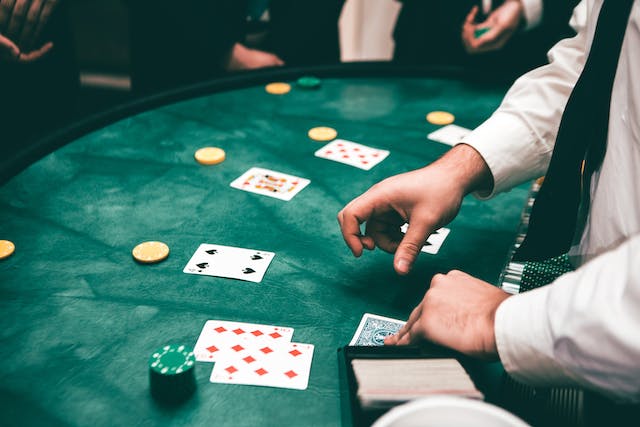
Poker, the age-old card game of skill, psychology, and strategy, has captured the hearts and minds of players around the world for generations. Whether you’re a casual player looking to have fun with friends or aspiring to compete at the highest levels, becoming a winning poker player requires a solid strategy. Moreover, here’s your intro to poker success!
StartingHand Selection
A crucial aspect of poker strategy is knowing which hands to play and which to fold. While it’s tempting to play every hand, successful players exercise restraint. Focus on starting hands that have a higher probability of becoming strong after the flop.
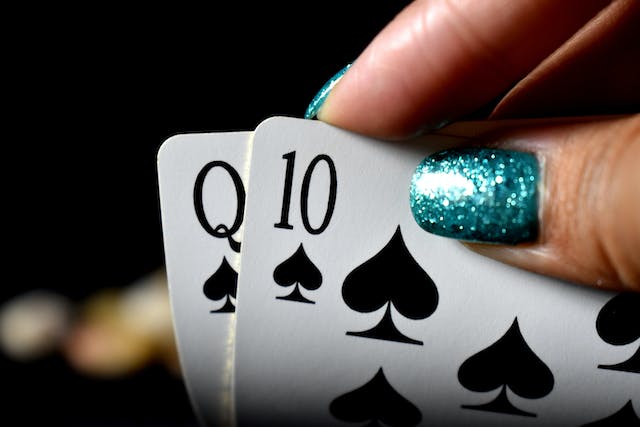
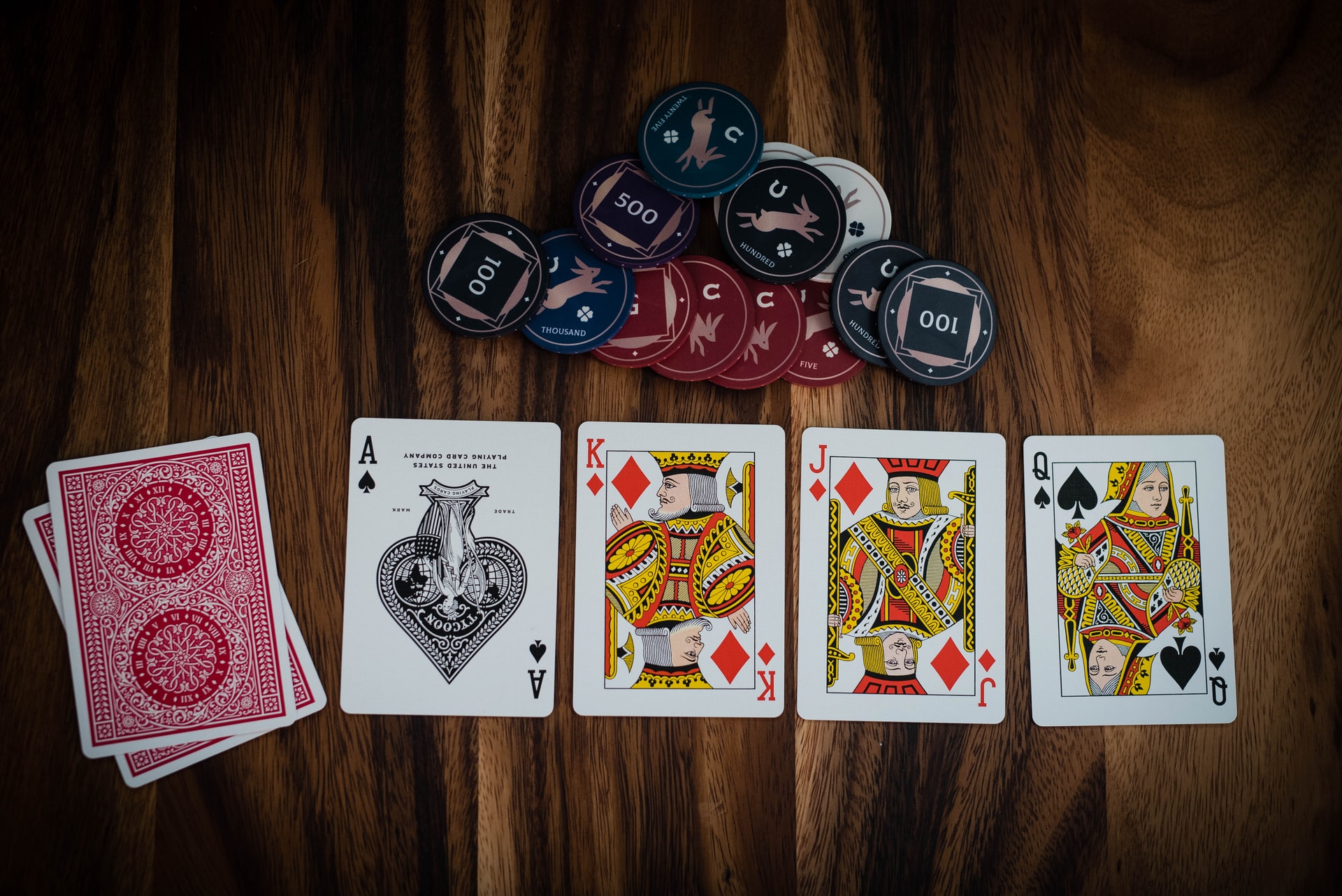
- Premium Hands: Hands like Ace-King (AK), Ace-Queen (AQ), and pairs of Tens (10-10) or higher are considered premium and should typically be raised.
- Position Matters: The strength of your starting hand should also be influenced by your position at the table. Playing tighter (selectively) in early positions and looser (more hands) in later positions can be a profitable strategy.
Reading Opponents
Poker is not just about the cards; it’s about the people. Developing the ability to read your opponents is crucial. Look for behavioral cues, such as betting patterns, body language, and table talk. This will help you make informed decisions and anticipate your opponent’s moves. Remember, a player’s actions often speak louder than their words.
Positional Awareness
Your position at the table is a critical aspect of poker strategy. Players in later positions have a significant advantage as they see what earlier players do before making decisions. Use this to your advantage by playing more hands from late positions and applying pressure to opponents when you have a position. Conversely, be cautious when playing from early positions, as you have less information about your opponents’ hands.
Bet Sizing
Effective bet sizing is an essential part of your strategy. Your bets should reflect your hand strength and your objectives in the hand. A well-timed, properly sized bet can accomplish multiple goals, such as building the pot, protecting your hand, and making it unprofitable for opponents to draw.
Bluffing
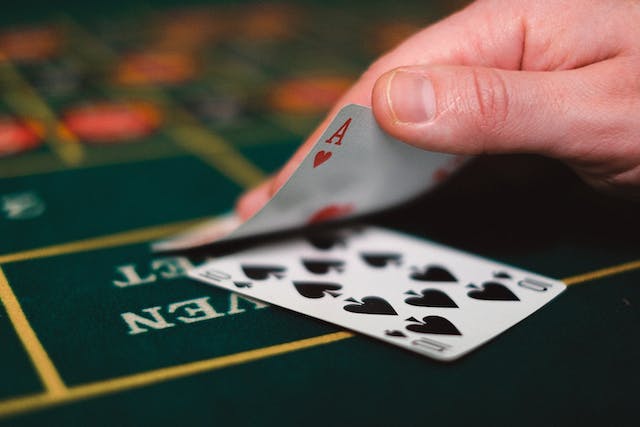
Bluffing is an art in poker. It involves representing a stronger hand than you actually hold. Successful bluffing requires a deep understanding of your opponents and the ability to create a believable story. Choose your bluffs wisely, and use them sparingly to keep your opponents guessing. Remember, a well-timed bluff can win you a hand, but too many bluffs can quickly deplete your chip stack.
Learning and Improvement
Poker is a game of constant learning and adaptation. To improve, study the game by reading books, watching videos, and analyzing your own play. Engage with the poker community to exchange ideas and strategies. Remember, even the best players never stop learning. Continuously reviewing and refining your strategy is essential to staying ahead of the competition.
In Conclusion
Becoming a winning poker player isn’t something that happens overnight. It takes practice, dedication, and a willingness to learn from your mistakes. As you implement these strategies and adapt to the ever-changing landscape of the poker table, you’ll be well on your way to achieving success and enjoying the challenges and triumphs that poker has to offer.…
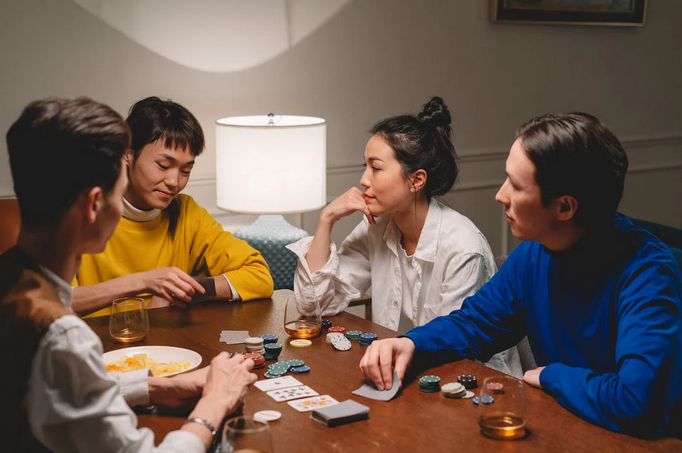
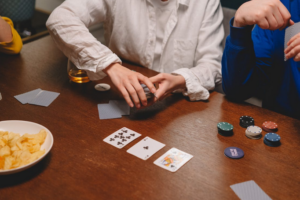 Before even attempting to bluff, be sure to observe your opponents. See how they bet, their responses to different cards, and their strategies when playing. Knowing your opponent’s tendencies can make a huge difference in whether your bluff will succeed. It would help if you also took note of any tells that might give away the strength of their hand. By doing this, you can more accurately determine when it is the right time to bluff and when it might be better just to fold.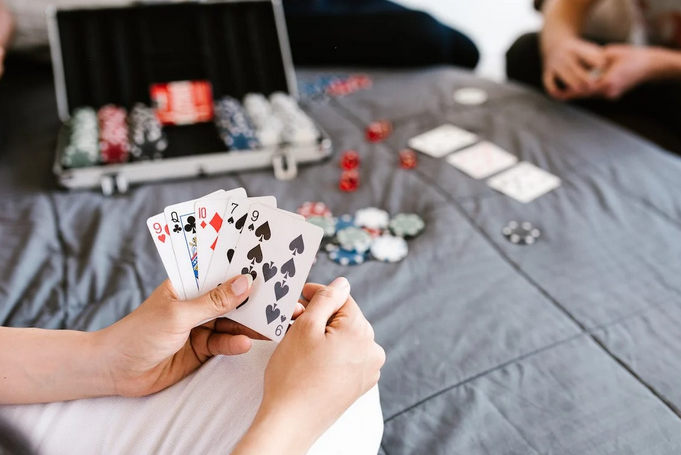
 The common mistakes novice players make when bluffing is that they only do it with strong hands and do it so often that the other players know they’re only bluffing. Semi-bluffing is also a useful tactic to have up your sleeve when playing poker. Semi-bluffing allows you to bet or raise on weak hands in order to get more value from them if you are lucky enough to draw the cards you need. Some experts argue that semi-bluffing is more profitable than pure bluffing.

 One of the players’ most common mistakes is playing too tight into the big blind. The big blind is a position where you’re at a huge disadvantage, so you should only play your strongest hands when in it. However, many players are too afraid to fold their hand preflop and end up playing marginal hands that they shouldn’t. If you’re in the big blind and don’t have a strong hand, folding and waiting for a better opportunity is best.
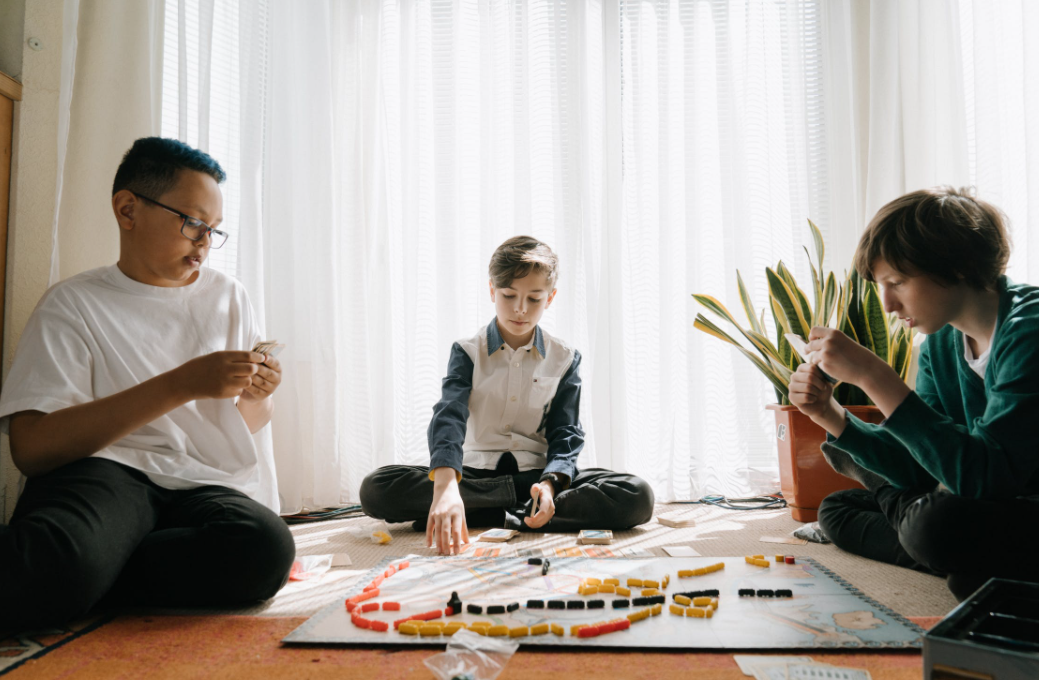 Cribbage is another popular card game that has been around for centuries. This game can be a bit complex, but you will be hooked once you get the hang of it.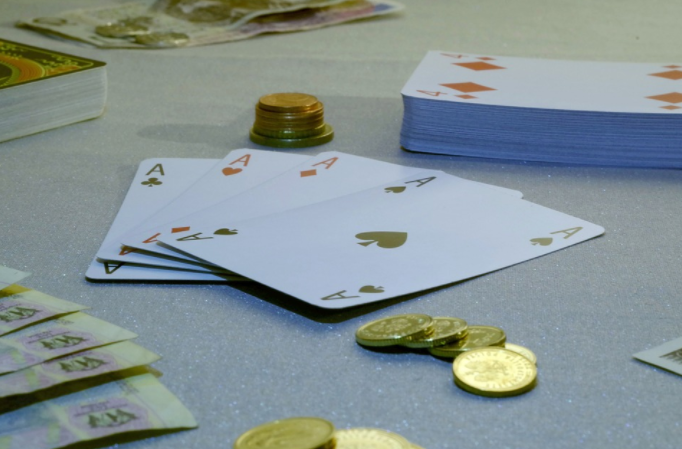
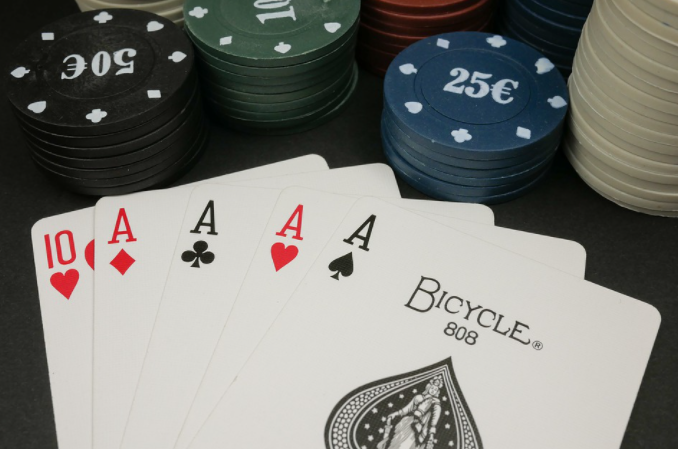
 The goal is to reach the top of the final table. Remember that the payouts at the final table are only a tiny part of the total prize pool. You can risk a little, but in the end, you want to get first place and the top prize, whatever that may be. It will help if you keep your bankroll in good shape during tournaments. The goal of a poker tournament is, of course, to win and make as much money as possible. You can’t win every game. So, be realistic. Experts recommend having at least 50 buy-ins in your bankroll to avoid going broke if you can, play conservatively to avoid losing all your money/chips.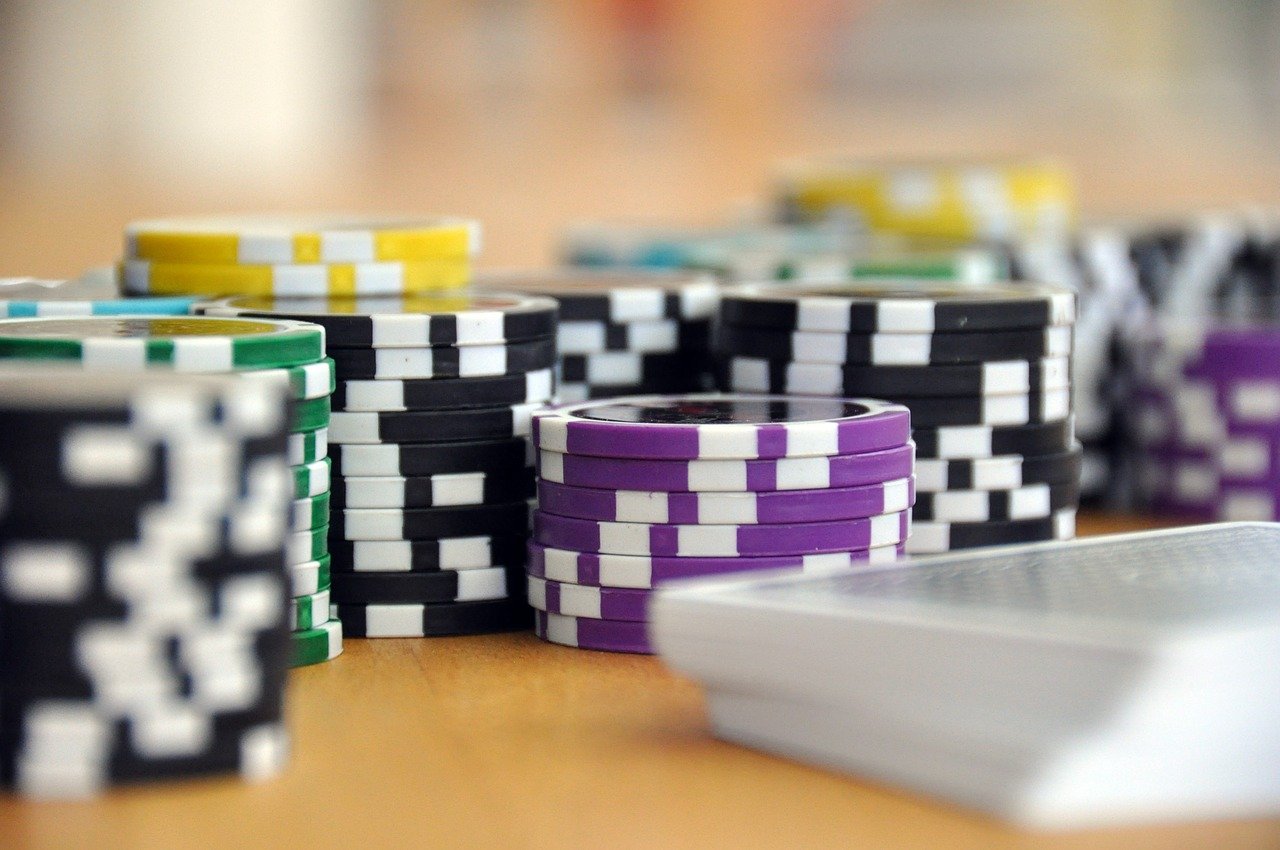
 Players need to have a set of accepted principles to refer to in times of confusion. Online tutorials are available along with books that will help you get started with online poker. Online poker improves your chances of winning, increases your calculation skills, encourages social interaction, and helps you perform well. Online poker is becoming more popular. It gets easier when you join the game with other players. It’s still the online poker that draws newbies each day. All the free poker game apps allow beginners to play at their own pace. Online poker sites are suitable for those who want to play with others.
 Online poker has many advantages, but there is one major concern. Internet poker game security inspects the IP address of a computing device to verify that the game is being played by more than one person. The illegal play has been stopped. Winners of the poker tournament can play real poker at the casinos that sponsor it. It can be difficult to play your first game, especially if it isn’t something you are used to. These poker sites offer skill evaluation and allow you to become a true master of the game.

 In
In 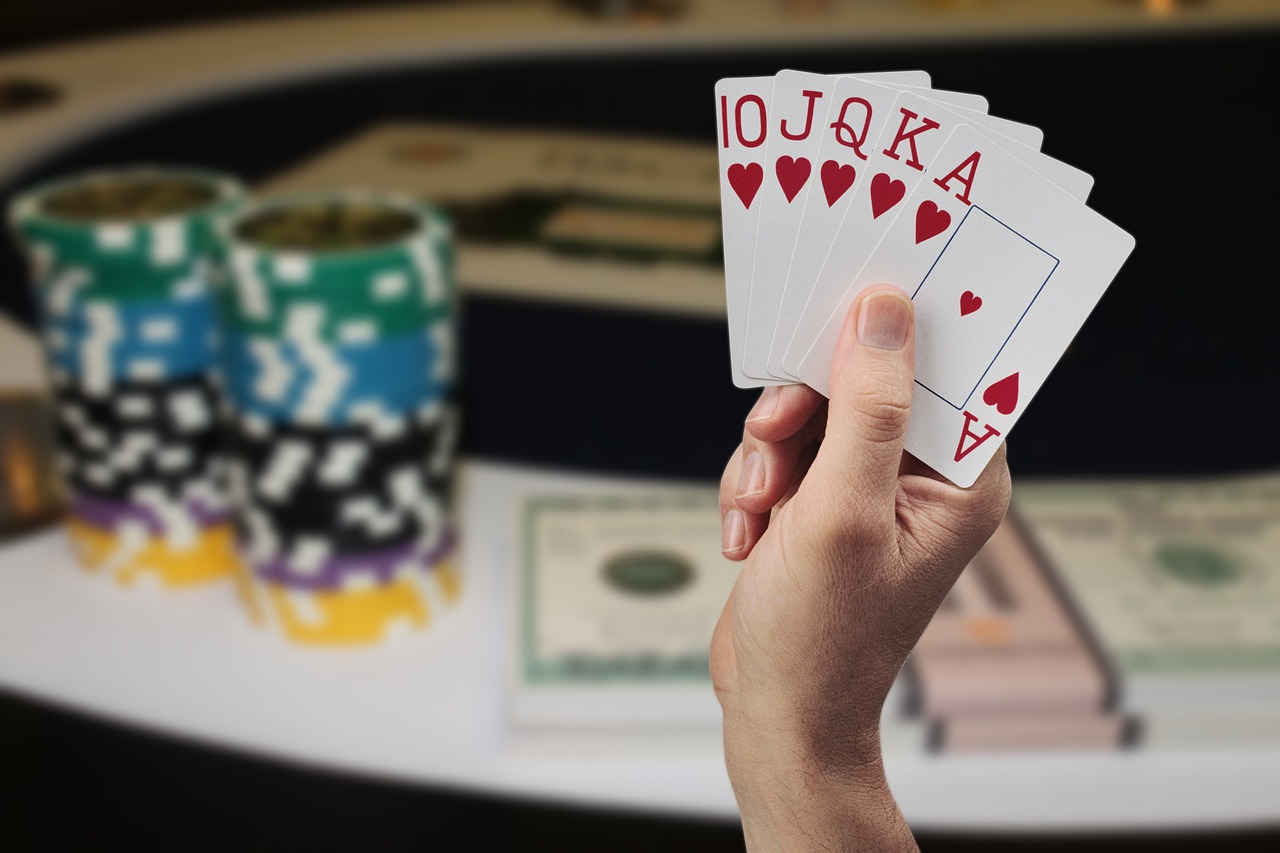
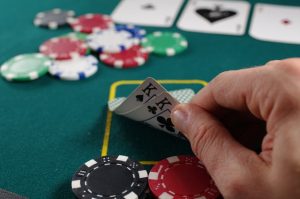 But there needs to be an accepted set of principles that players can refer to when confusion arises. For this reason, free tutorials have been made available online along with books that show the best way to get started in online poker.
 If you’re somebody who likes to bluff, then you’ll not have any qualms about folding when creating a large bet.
  The very best poker players tend to utilize the bluffing technique . Some gamers simply bluff without considering the outcome. Ideally, bluff once you know or have a plausible premise your bluff won’t be contested by anybody.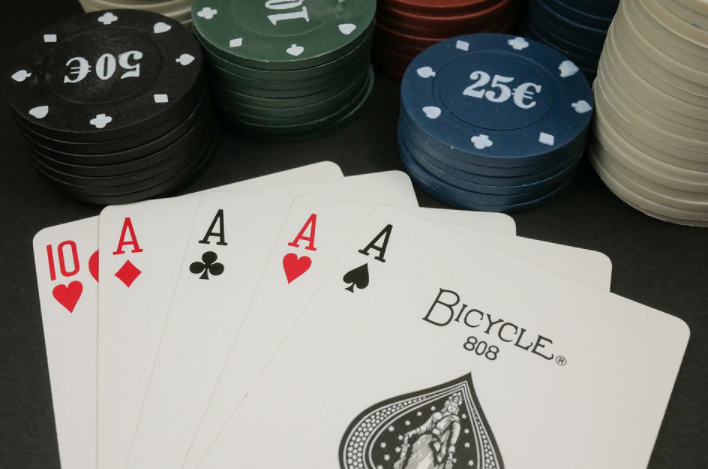
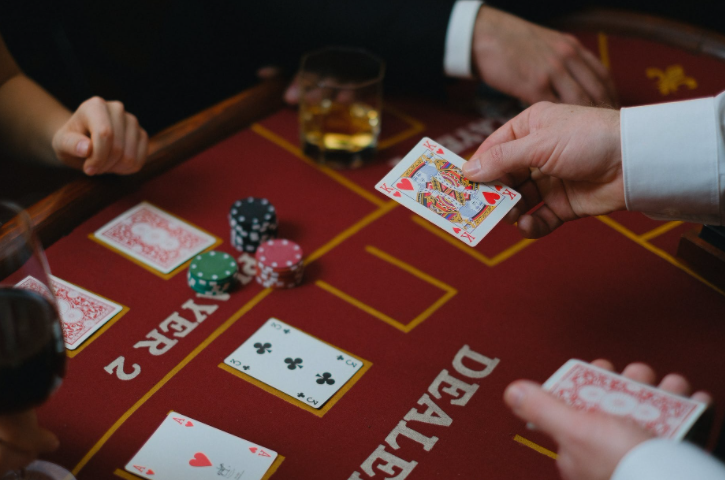
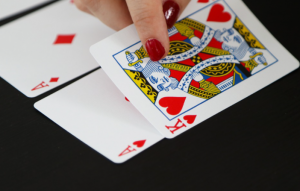 After you learned about the basics of poker games, you should practice yourself. It’s essential to do before jumping into the real matches. The best way to practice poker for yourself is by using marked playing cards. Also, learning how to find the
 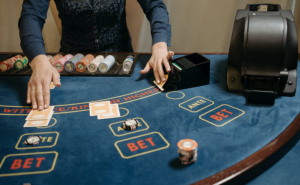 First of all, one of the most important things you should keep in mind when it comes to poker tournament strategy tips is to play tight from the start. Don’t be alarmed if you’re not sure what this lingo means, we’ll go over it now. When the game starts, you should sit back and wait. Many people mistake getting caught at the beginning by very small blinds, guessing very weak hands. If you are unsure if you have a particularly strong hand, you should sit back and wait for the other players to fold.